

North-Facing Homes & Vaastu in Modern Real Estate Projects: Myth or Smart Choice?
North-facing homes blend Vaastu beliefs with modern design practicality.
Mrs. Prathyusha
1/30/20262 min read

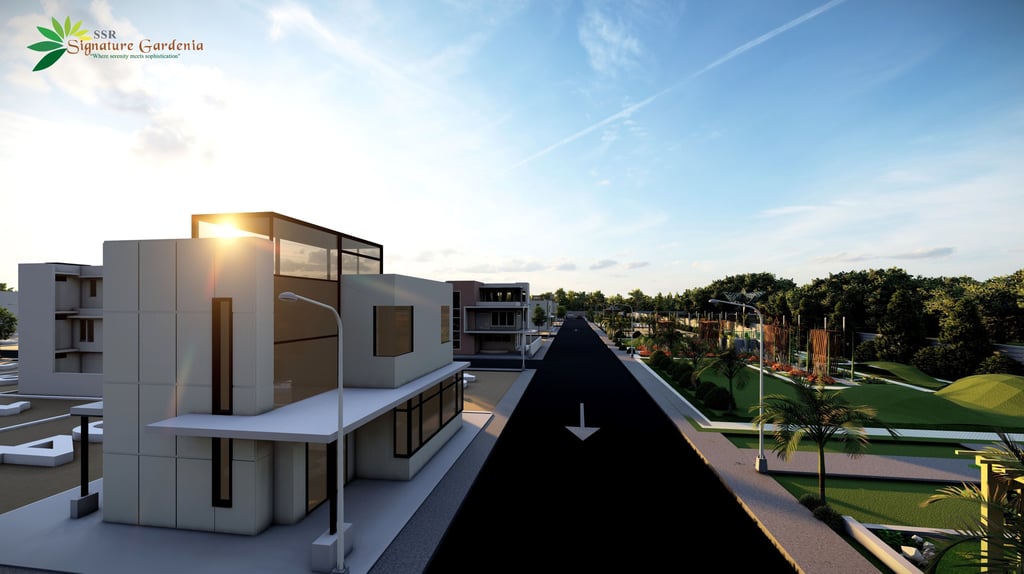
In the Indian real estate market, Vaastu Shastra continues to play a significant role in influencing homebuying decisions. Among its many principles, north-facing homes are often regarded as highly auspicious and desirable. But in today’s modern, design-driven real estate landscape, is choosing a north-facing home a myth rooted in tradition—or a genuinely smart choice?
Let’s explore the facts of real estate.
Understanding the Importance of North Direction in Vaastu
According to Vaastu Shastra, the north direction is governed by Kubera, the deity associated with wealth and prosperity. Homes with main entrances or open spaces facing north are believed to attract positive energy, financial growth, and stability.
From a practical standpoint, north-facing homes also receive soft and consistent natural light throughout the day, avoiding harsh sunlight—an added benefit in India’s warm climate.
North-Facing Homes in Modern Real Estate Projects
Modern residential projects are no longer designed solely around traditional norms. They integrate architectural efficiency, sustainability, ventilation, and lifestyle amenities. Today’s developers often align Vaastu-friendly layouts with smart design principles, ensuring homes are both spiritually and functionally balanced.
In gated communities and apartment projects, north-facing homes are planned to:
• Maximize daylight and cross-ventilation
• Reduce heat gain and improve energy efficiency
• Offer aesthetically pleasing layouts with practical room placement
These factors contribute to higher comfort and long-term value, making such homes attractive beyond Vaastu beliefs alone.
Myth vs Reality: Does Direction Alone Decide a Good Home?
A common misconception is that direction alone determines a property’s quality or success. In reality, Vaastu is holistic—it considers room placement, airflow, proportions, and overall harmony.
A well-designed east-, west-, or south-facing home with proper planning can be equally beneficial. Likewise, a poorly designed north-facing home may not deliver the expected advantages.
The key lies in balanced design, not blind adherence to direction.
Why Buyers Still Prefer North-Facing Homes
Despite evolving preferences, north-facing homes remain in high demand due to:
• Strong cultural belief and emotional confidence
• Better resale value and faster marketability
• Lower heat exposure and comfortable interiors
• Compatibility with both traditional and modern lifestyles
For many buyers, a north-facing home offers peace of mind, which is an important factor in any major investment decision.
Smart Choice or Pure Myth?
The answer lies in balance. When combined with thoughtful architecture, modern amenities, proper ventilation, and sound construction quality, they can indeed be a smart and future-ready choice.
Ultimately, buyers should evaluate properties based on:
• Overall layout and design quality
• Natural light and ventilation
• Builder reputation and location advantages
• Vaastu compatibility as a supportive factor—not the only criterion
Final Thoughts
In today’s real estate market, the smartest investments blend tradition with innovation. North-facing homes aligned with Vaastu principles, when part of a well-planned modern project, offer both emotional assurance and practical benefits.
Rather than seeing Vaastu as a myth or a rigid rule, it’s best viewed as a guiding framework—one that works best when paired with modern design intelligence.